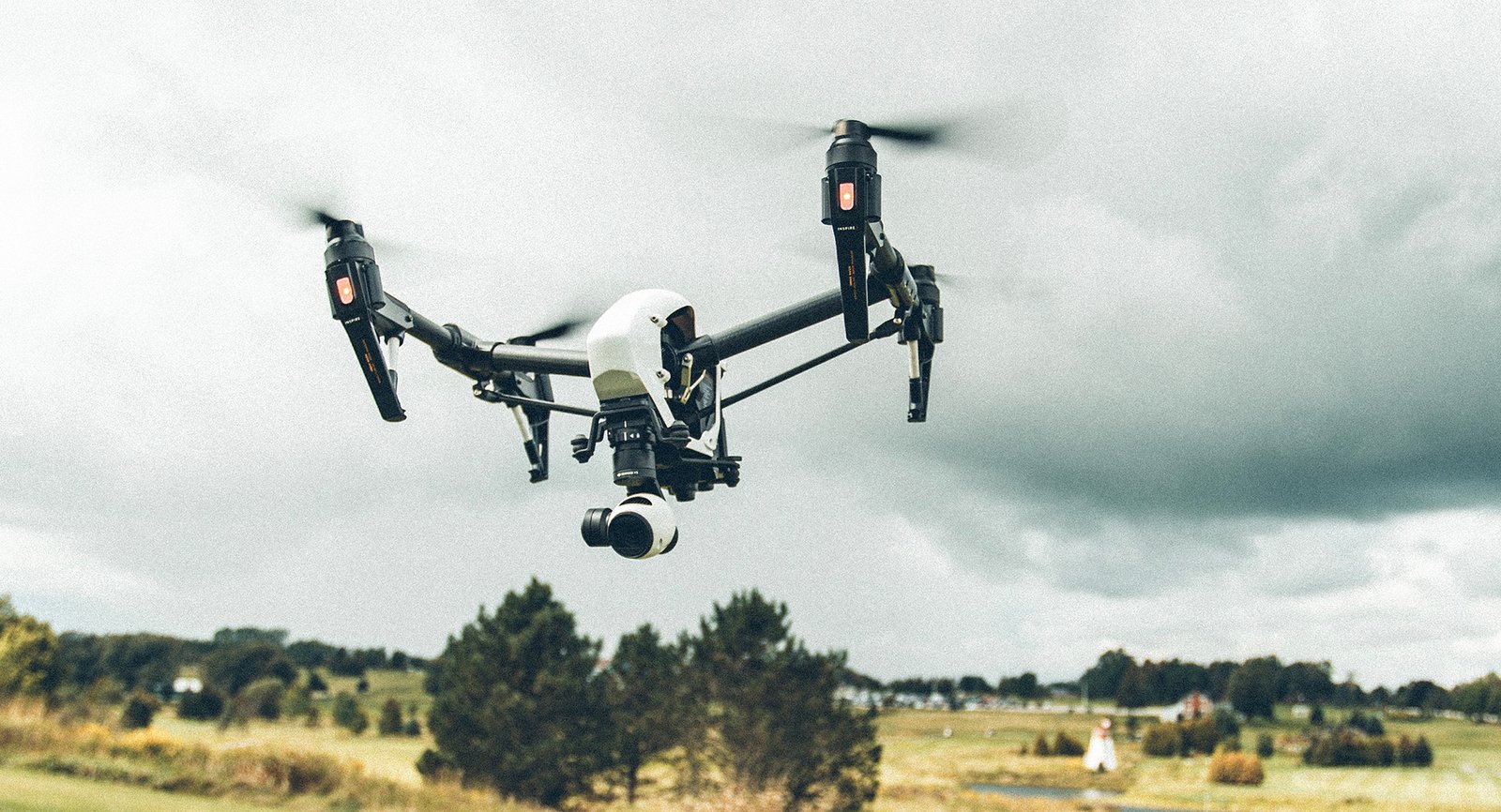
Drones in sustainable marketing are changing how brands capture visual content, promote environmental initiatives and explore alternatives to conventional advertising methods. From aerial filming to conservation storytelling, drone technology offers creative opportunities that were once expensive or difficult to access.
However, using a drone does not automatically make a campaign environmentally friendly. Its impact depends on the equipment, travel requirements, operating conditions and activities it replaces.
For businesses exploring responsible advertising, drones can be valuable when they improve production efficiency, reduce unnecessary resources or communicate environmental information more effectively.
The Role of Drones in Sustainable Marketing
1. Reducing Resource Consumption in Advertising Production
Aerial photography traditionally required equipment such as helicopters, cranes or elevated camera platforms. Drones can perform certain filming tasks using smaller equipment and fewer personnel.
Replacing a helicopter shoot with a battery-powered drone may substantially reduce fuel consumption for that particular activity. Drones can also simplify location surveys, allowing production teams to assess filming conditions before committing additional resources.
However, environmental savings depend on the complete production process. Travel, battery charging, equipment manufacturing and repeated filming must be considered before claiming that a drone-based campaign has a lower carbon footprint.
Example: BBC Earth
BBC Earth and wildlife documentary productions have used aerial imagery to communicate the scale and complexity of natural environments.
Drone footage can help filmmakers capture perspectives that would otherwise require more elaborate equipment. It can also support storytelling about landscapes, habitats and environmental change.
For marketing teams, the lesson is to use aerial footage where it adds genuine informational or creative value rather than introducing unnecessary production activity.
2. Drone Deliveries and Sustainable Brand Logistics
Drone delivery systems are being developed for applications ranging from medical supplies to selected commercial goods. Their potential advantages include direct routes, rapid transport and improved access to remote locations.
In some circumstances, lightweight electric drones may use less energy than conventional vehicles delivering small packages. However, their environmental performance depends on payload, distance, electricity sources, vehicle alternatives and operational efficiency.
Brands considering drone logistics should distinguish between marketing a delivery innovation and demonstrating its environmental benefits. Reliable comparisons require measurements of energy consumption and emissions per delivery under realistic operating conditions.
Example: Zipline
Zipline operates drone delivery systems for medical and other supplies, including services in parts of Africa and the United States.
Its operations demonstrate how autonomous aircraft can support time-sensitive deliveries and improve access to essential products in certain locations.
The broader sustainability opportunity lies in identifying routes where drone transport offers operational or environmental advantages over available alternatives, rather than assuming every drone delivery is cleaner than road transport.
3. Drone Light Shows in Event Marketing
Drone light shows have become an alternative visual format for product launches, celebrations and large public events. Coordinated aircraft create illuminated formations that can communicate messages, symbols and moving images.
Compared with conventional fireworks, drone displays can avoid combustion-related smoke and explosive noise. However, they still require electricity, equipment manufacturing, transportation and technical support.
Their suitability also depends on local airspace regulations, weather conditions and proximity to wildlife. Brands should evaluate these factors when planning events rather than presenting drone displays as impact-free entertainment.
Example: Intel’s Drone Light Shows
Intel has demonstrated coordinated drone light displays at major international events, including the Tokyo 2020 Olympic Games held in 2021.
These performances illustrated how programmable aerial displays can deliver large-scale visual storytelling without relying on conventional pyrotechnics.
For advertisers, the technology offers opportunities to create reusable digital choreography and distinctive event experiences. Any environmental comparison should still account for the resources required to operate the full display.
4. Drones in Eco-Conscious Tourism Marketing
Tourism organisations can use aerial photography to communicate the geography, biodiversity and conservation significance of destinations.
Drones can document coastal erosion, changing landscapes and habitat conditions while producing visual material for educational campaigns. Such footage may help audiences understand environmental challenges that are difficult to communicate from ground level.
However, drone operations can disturb wildlife, particularly nesting birds and sensitive species. Responsible tourism marketing requires appropriate permissions, safe operating distances and respect for protected areas.
Example: National Geographic
National Geographic has published aerial photography and drone-based storytelling that explores wildlife, landscapes and environmental change.
These visual approaches can make conservation issues more accessible by showing relationships between ecosystems, human activity and habitat conditions.
Brands can apply similar principles by using drone imagery to explain real conservation initiatives, supported by accurate information rather than relying solely on dramatic scenery.
Challenges and Considerations
1. Regulatory Compliance and Privacy
Commercial drone operations are subject to aviation regulations that vary by country and location. Restrictions may apply to flight altitude, airspace access, operations near people and protected areas.
Marketing teams must also consider privacy when filming individuals, private property or public events. Appropriate permissions and responsible data handling are essential.
Planning for compliance before production can prevent unnecessary travel, cancelled shoots and avoidable operational costs.
2. Battery Use and Equipment Lifecycle
Most small commercial drones rely on rechargeable batteries, which require raw materials, manufacturing energy and appropriate end-of-life management.
Battery replacement, damaged equipment and short product lifecycles can increase environmental impacts. Regular maintenance and responsible recycling are therefore important.
Brands should prioritise equipment durability, efficient flight planning and appropriate battery disposal rather than evaluating sustainability solely through electricity consumed during flight.
3. Environmental Claims and Wildlife Protection
Drone technology can support conservation, but poorly planned operations may create noise, disturb animals or damage sensitive environments.
Operators should follow relevant wildlife guidance, avoid unnecessary flights and work with conservation specialists when filming in ecologically sensitive locations.
Environmental marketing claims must also be supported by evidence. A campaign filmed using drones is not necessarily sustainable unless the production process delivers demonstrable improvements.
How Brands Can Use Drones More Responsibly
Businesses should begin by identifying the specific purpose of drone technology. Aerial filming, event displays, logistics and environmental monitoring have different operational requirements and sustainability considerations.
Before commissioning a campaign, teams can compare drone-based approaches with conventional alternatives, including equipment needs, travel, energy use, cost and potential ecological disturbance.
The strongest applications combine useful creative outcomes with responsible operations. Clear objectives, regulatory compliance and measurable performance indicators help ensure that drone technology contributes more than visual novelty.
Conclusion
Drones in sustainable marketing offer opportunities to improve visual storytelling, simplify selected production activities and explore new approaches to advertising and logistics.
Their environmental advantages are conditional, not automatic. Responsible deployment requires attention to energy use, equipment lifecycles, aviation rules, privacy and wildlife protection.
For brands, the opportunity is to use drones where they provide a demonstrable benefit, combining creative communication with credible environmental practices rather than treating the technology itself as proof of sustainability.