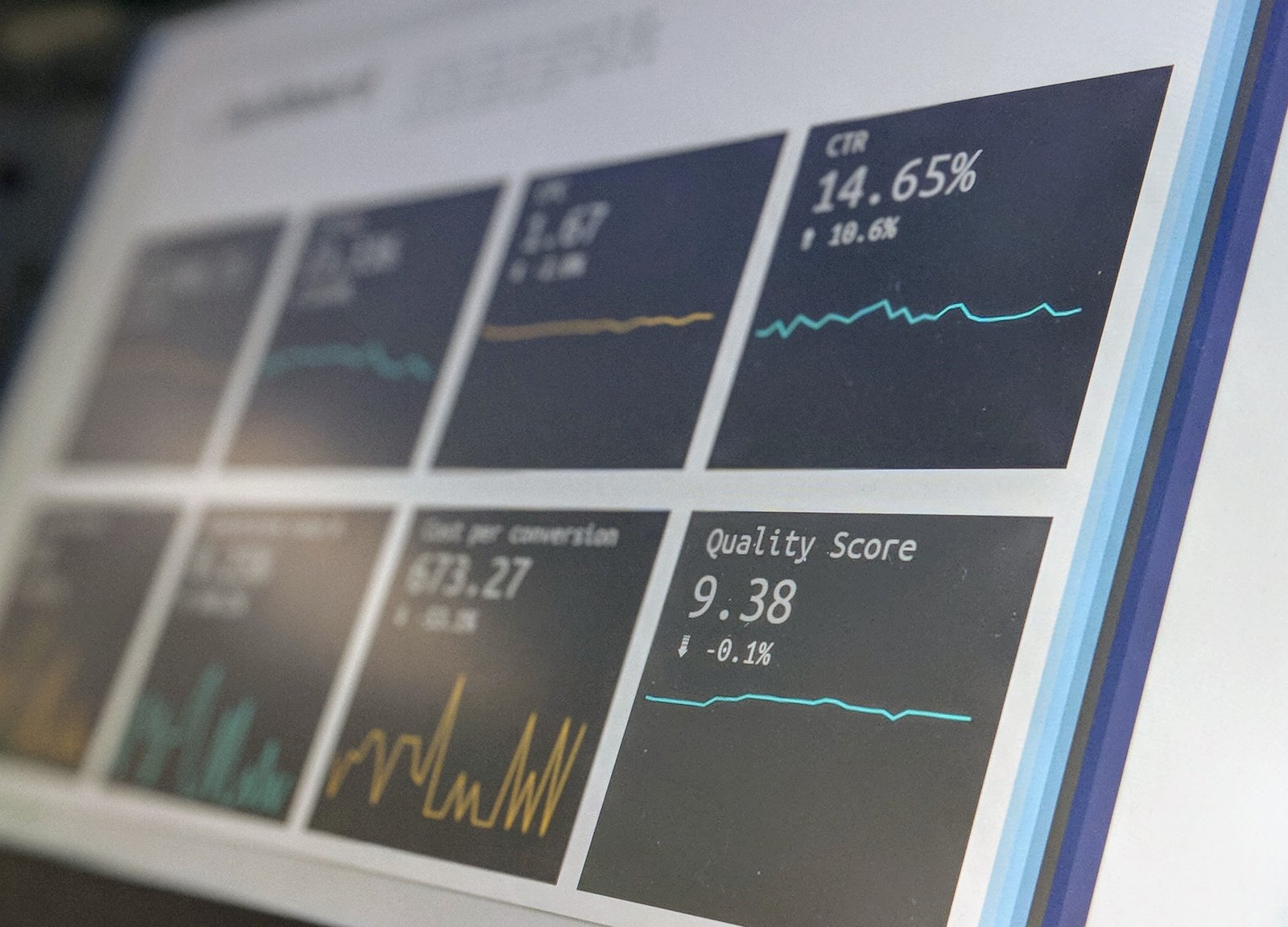
Alternative data in sustainable marketing can help brands evaluate environmental performance, understand consumer behaviour and support sustainability claims with evidence. Information from satellites, connected sensors, digital platforms and supply-chain systems can provide insights beyond conventional marketing research.
However, access to more data does not automatically produce better environmental decisions. Businesses must understand where information comes from, how accurately it represents actual conditions and whether it is appropriate for the claims being made.
When used responsibly, alternative data can help connect sustainability communication with operational performance rather than relying solely on corporate commitments.
What Is Alternative Data?
Alternative data refers to information collected outside conventional business reporting and market research sources. It can include satellite imagery, sensor measurements, online discussions and digitally recorded supply-chain activities.
For sustainability purposes, these sources can reveal environmental conditions, resource consumption and changes in business operations that traditional reports may not capture frequently.
However, each source has limitations. Satellite observations require interpretation, sensors need calibration, and social media conversations may not represent the wider population.
1. Satellite Imagery for Environmental Monitoring
Satellite imagery can help organisations observe land-use changes, vegetation loss, water conditions and other environmental indicators across large geographical areas.
Brands sourcing agricultural or forest-based materials may use satellite-derived information to identify potential land-use risks within sourcing regions.
However, imagery alone cannot establish whether a particular supplier is responsible for an observed change. Findings should be combined with geographic records, supplier information and appropriate verification.
2. IoT Sensors for Resource Efficiency
Internet of Things (IoT) sensors can collect operational data about electricity consumption, water use, equipment performance and environmental conditions.
Businesses can use this information to identify unusual consumption patterns, compare facilities and evaluate whether efficiency measures are working.
For marketing purposes, sensor data can support specific claims about measured improvements. However, companies must explain the measurement period, relevant boundaries and calculation methods rather than presenting isolated figures as evidence of overall sustainability.
3. Supply-Chain Data for Transparency
Digital traceability systems can help organisations document where materials originate, how they move between suppliers and which supporting records are available.
Blockchain may be useful when multiple organisations need access to shared transaction records. However, it does not independently verify the accuracy of information entered into the system.
Brands should combine traceability technologies with supplier assessments, credible documentation and independent verification where appropriate. Transparency depends on the quality of the evidence, not simply the technology used to store it.
Brand Example: Patagonia
Patagonia provides information about its supply chain, materials and environmental initiatives through its corporate reporting and transparency resources.
Its approach illustrates how brands can communicate sourcing practices and acknowledge challenges within complex supply networks.
However, Patagonia should not be presented as operating a comprehensive blockchain-backed, real-time verification system without evidence supporting that specific claim.
4. Social Media Analytics for Consumer Insights
Social media analytics can help brands understand how audiences discuss packaging, product durability, repairability and environmental claims.
Sentiment analysis and topic monitoring may reveal recurring concerns, questions or misunderstandings that marketing teams can address through clearer communication.
However, online sentiment does not establish environmental performance. It reflects selected audience conversations and may be influenced by platform demographics, coordinated activity and changing trends.
5. Cloud and Operational Data for Carbon Analysis
Digital platforms can help organisations measure emissions associated with specific activities, including cloud computing and energy consumption.
Google Cloud provides carbon-footprint reporting capabilities that help customers understand estimated emissions associated with their Google Cloud usage.
These tools demonstrate how operational data can improve environmental visibility. However, cloud-related emissions reporting should not be confused with a complete, real-time carbon footprint for an entire business.
Brand Example: Google Cloud
Google Cloud’s Carbon Footprint tool provides customers with emissions information associated with their use of Google Cloud services.
Businesses can use this information to understand part of their digital infrastructure’s environmental impact and inform operational decisions.
The example highlights the importance of defining measurement boundaries. Emissions associated with cloud services represent one component of an organisation’s environmental footprint, not its total impact.
How Brands Can Implement Alternative Data
1. Identify the Environmental Question
Begin with a specific issue, such as packaging waste, energy consumption or sourcing risks.
Determine which information is needed to investigate the issue and whether alternative data provides useful evidence beyond existing records.
Avoid collecting large datasets without a clear decision-making purpose.
2. Evaluate Data Quality and Limitations
Assess the source, accuracy, coverage and frequency of the information.
For example, satellite observations may require ground verification, while sensor measurements depend on equipment reliability and appropriate calibration.
Marketing claims should reflect these limitations rather than imply a level of certainty the data cannot support.
3. Connect Findings to Marketing Claims
Use verified findings to communicate specific improvements, explain environmental challenges or provide evidence for relevant product information.
A business might report measured electricity savings at a particular facility or explain how sourcing-risk monitoring informs supplier assessments.
Claims should identify what was measured, over which period and within which operational boundaries.
4. Protect Privacy and Commercial Information
Alternative data may include customer behaviour, location information and commercially sensitive supplier records.
Brands should establish appropriate safeguards for collection, processing, storage and disclosure.
Consumer insights should be used responsibly, without assuming that interest in sustainability justifies intrusive tracking or profiling.
Challenges and Considerations
Alternative data can be incomplete, expensive to interpret or unsuitable for the decisions businesses want to make. Different sources may also use incompatible definitions and measurement methods.
AI can assist with analysing these datasets, but automated findings may contain errors or misleading correlations. Human review and technical expertise remain necessary.
Brands should also consider the environmental costs of the digital infrastructure used to collect, store and process data, particularly when evaluating whether a monitoring system delivers worthwhile benefits.
Conclusion
Alternative data can improve sustainable marketing by helping brands understand environmental conditions, monitor operations and support claims with more relevant evidence.
Satellite imagery, IoT sensors, supply-chain records and digital analytics each provide different forms of insight. None should be treated as independent proof that a business or product is sustainable.
The strongest approach is to combine reliable data, appropriate verification and transparent communication. Sustainable marketing becomes more credible when environmental statements accurately reflect what businesses can demonstrate.