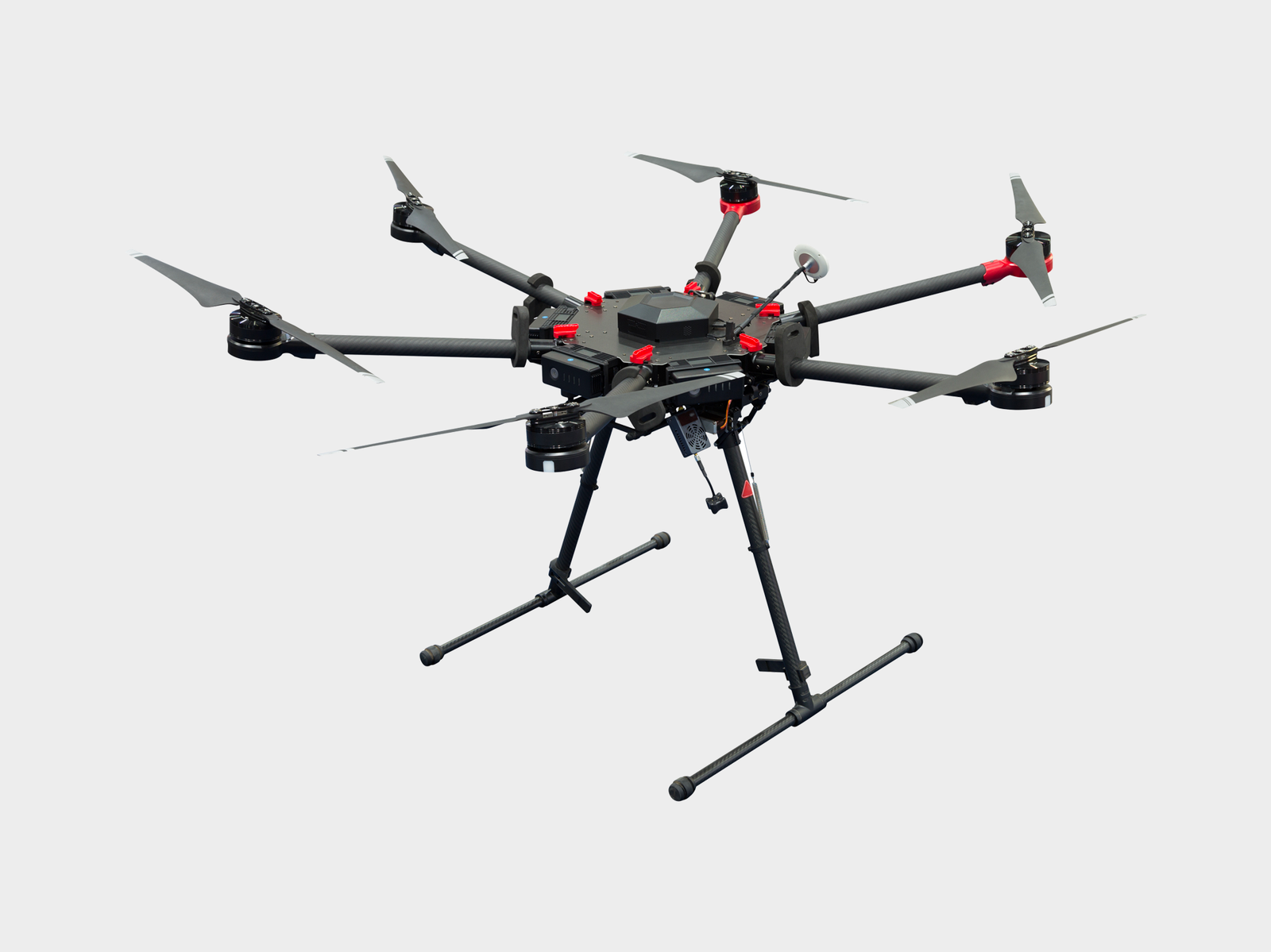
Drone technology is increasingly used in photography, agriculture, surveying, infrastructure inspection and environmental monitoring. As drone adoption expands, managing rechargeable batteries at the end of their useful lives becomes an important responsibility for manufacturers, retailers, fleet operators and service providers.
Many drones use lithium-based batteries that require careful handling, particularly when damaged, defective or no longer suitable for operation. Recycling programmes can help recover valuable materials and keep batteries out of inappropriate waste streams, but collecting batteries safely requires suitable facilities and qualified partners.
An effective drone battery recycling programme also needs a clear marketing strategy. Drone owners must know why recycling matters, where batteries can be returned and what happens after collection. The following ten tips explain how organisations can build awareness, encourage responsible participation and communicate measurable results.
1. Identify Your Target Audience
Start by identifying the individuals and organisations most likely to use your recycling programme. These may include recreational drone enthusiasts, professional photographers, agricultural drone operators, commercial fleet managers, repair centres and equipment retailers. Each group has different battery usage patterns, replacement cycles and disposal requirements.
Understand the practical difficulties your audience faces. Individual drone owners may struggle to find convenient collection points, while commercial operators may require scheduled collections and documentation for larger quantities. Repair centres may need specialist arrangements for damaged or defective batteries that cannot enter ordinary collection systems.
Develop marketing messages around these specific needs. Instead of using a generic environmental appeal, explain how the programme makes responsible battery disposal easier, safer and more accessible. Clear audience segmentation will also help determine the most effective communication channels and collection arrangements.
2. Create a Recognisable Programme Identity
Give the recycling initiative a clear name and identity that customers can easily recognise. The branding should communicate the programme’s purpose without making exaggerated environmental claims. A straightforward name supported by consistent visual communication can help customers identify participating locations and understand the service being offered.
Develop an operational plan before launching the campaign. Establish collection procedures, participating locations, budgets, timelines and responsibilities for customer communication, safety and recycler coordination. Marketing teams should work closely with operational staff to ensure that every advertised service can actually be delivered.
Make participation instructions prominent across websites, product packaging, service centres and promotional materials. Customers should be able to understand the programme without searching through complicated information. A recognisable identity is useful, but reliable service and clear instructions are what ultimately make the programme credible.
3. Explain Which Batteries Can Be Recycled
Battery acceptance requirements should be among the first details communicated to participants. Explain which drone battery types and chemistries the programme accepts, whether collection is limited to particular brands and whether customers must contact the collection centre before returning a battery. Requirements should reflect the capabilities of the authorised collection and recycling partners.
Damaged lithium batteries require special attention. Batteries that are swollen, leaking, punctured, overheating or otherwise defective can present fire and safety risks. They should not be placed in ordinary recycling containers or transported without appropriate arrangements. If a collection centre cannot accept them, customers should be directed to a qualified service provider that can advise on safe handling and disposal.
Use simple instructions, photographs and frequently asked questions to help customers understand the process. Explain any approved precautions for preventing short circuits and handling battery terminals. Never encourage customers to dismantle batteries, puncture cells or attempt unsafe discharge procedures. Clear guidance is essential for both participation and safety.
4. Communicate the Environmental Benefits Accurately
Explain why responsible battery recycling matters without suggesting that every battery can be completely recovered or reused. Depending on its chemistry and the recycling process, a drone battery may contain recoverable materials such as lithium, nickel, cobalt, copper and other components. Recovering these materials can support more efficient resource use.
Environmental outcomes vary according to battery composition, collection methods and recycling technology. Organisations should therefore avoid unsupported claims about carbon savings, material recovery rates or the elimination of environmental harm. Any published environmental benefit should be based on credible information supplied by qualified recycling partners or appropriate assessments.
Focus marketing messages on verifiable outcomes. Explain how the programme helps batteries enter an appropriate waste-management system, what materials may be recovered and how the process supports responsible resource management. Specific information builds stronger customer confidence than broad statements about saving the planet.
5. Use Digital and Traditional Marketing Channels
Promote the programme through channels already used by drone owners. These may include manufacturer websites, customer newsletters, equipment retailers, repair centres, photography communities and social media platforms. Product manuals and replacement battery packaging can also provide useful opportunities to explain recycling options.
Create practical educational content that answers common questions. Short videos can explain when batteries should be removed from service, how to identify approved collection locations and whom to contact about damaged batteries. Website pages should provide current collection information and clearly distinguish routine returns from batteries requiring specialist handling.
Coordinate communication with retailers and service partners so customers receive consistent instructions. A person purchasing a replacement battery should be able to learn what to do with the old one at the same time. Effective marketing reaches people when the information is relevant, not simply when a promotional campaign is running.
6. Offer Incentives That Encourage Responsible Participation
Incentives can help overcome the inconvenience of returning used batteries. Depending on the programme, these might include loyalty benefits, collection services, service credits or discounts linked to appropriate battery returns. The incentive should make responsible disposal more accessible rather than encourage additional consumption.
Avoid rewards that motivate customers to replace functioning batteries unnecessarily. Premature replacement creates additional material demand and may undermine the environmental objectives of the programme. Incentives should focus on batteries that have reached the end of their useful lives or have been assessed as unsuitable for continued safe operation.
For commercial drone operators, convenience may be more valuable than a financial reward. Scheduled collections, consolidated documentation and reliable service arrangements can reduce administrative difficulties. Choose incentives based on customer needs and evaluate whether they improve appropriate participation rather than merely increasing collection volumes.
7. Build Partnerships With Authorised Recyclers
A recycling programme depends on reliable organisations that can collect, transport, process and document used batteries appropriately. Partner with recyclers and service providers authorised to handle the relevant battery types. Verify their capabilities, regulatory status, safety procedures and reporting arrangements before promoting the partnership.
Lithium batteries can be subject to specific storage and transport requirements, particularly when damaged or defective. Ordinary shipping arrangements may not be suitable. Collection partners should provide clear procedures for packaging, segregation, temporary storage and movement of batteries in accordance with applicable requirements.
Existing retailer and service-centre networks may help make collection more convenient, provided suitable safety arrangements are in place. In India, organisations should also review applicable Battery Waste Management Rules and relevant producer, recycler and refurbisher obligations. Marketing promises must match the actual geographical coverage and operational capacity of the programme.
8. Track Participation and Marketing Performance
Measure how effectively the programme reaches its intended audience. Useful indicators include customer enquiries, participating collection locations, batteries received, total battery weight collected and the number of customers using approved return channels. These figures can help identify where communication or access needs improvement.
Digital marketing performance should also be evaluated. Monitor visits to programme information pages, responses to email campaigns, enquiries generated through social media and referrals from participating retailers. Compare these measures with actual collection activity to understand whether awareness is translating into meaningful participation.
Avoid treating collection volume as the only measure of success. A programme should not be rewarded for encouraging unnecessary battery replacement. Performance evaluation should consider customer convenience, responsible battery management, safe handling and the quality of the collection process alongside marketing reach.
9. Measure the Programme’s Environmental Outcomes
Collecting batteries is an important first step, but it does not automatically demonstrate successful recycling. Organisations should establish how they will verify that collected batteries reach appropriate treatment facilities. Collection records, transfer documentation and reports from recycling partners can help establish accountability.
Where reliable information is available, report the quantities processed and the materials recovered. Distinguish clearly between batteries collected, batteries transferred for recycling and materials actually recovered. These are different measurements, and combining them can give customers an inaccurate impression of the programme’s results.
Environmental impact calculations should also account for relevant limitations and assumptions. Transport, processing and material recovery require resources, and outcomes vary between facilities. If the organisation reports estimated emissions reductions or resource savings, it should explain how those figures were calculated and what they include.
10. Publish Results and Maintain Transparency
Regular reporting helps customers understand what happens after they return their batteries. Publish clear updates on participation, collection volumes, recycling partnerships and verified processing outcomes. A dedicated webpage or periodic programme report can provide this information without requiring an elaborate reporting system.
Explain achievements and limitations in straightforward language. If certain battery types cannot yet be accepted, collection coverage is limited or recovery information is unavailable, communicate these gaps. Customers should be able to distinguish completed actions from future plans and understand the scope of any environmental claims.
Use the findings to improve the programme and its marketing. Customer questions may reveal unclear instructions, inconvenient collection locations or concerns about safe handling. Addressing these problems and communicating the improvements can strengthen trust while encouraging continued responsible participation.
Why Marketing Matters in Drone Battery Recycling
Even a well-designed recycling service may achieve limited participation if drone owners do not know it exists or cannot understand how to use it. Marketing connects the operational programme with the people who need it, making collection information accessible and explaining why responsible battery management matters.
The strongest campaigns combine education with practical services. They provide clear instructions, promote authorised collection arrangements and communicate verified outcomes without overstating environmental benefits. Customer feedback should also influence how the programme develops.
Battery recycling is only one part of responsible drone ownership. Appropriate charging, storage, maintenance and timely removal of unsafe batteries are equally important. Organisations should encourage customers to extend battery life where safe and appropriate rather than treating recycling as a reason for premature replacement.
Conclusion
Creating an effective drone battery recycling programme requires more than a collection box and an environmental campaign. It involves understanding customers, establishing safe collection procedures, selecting qualified recycling partners and making participation convenient.
Marketing can improve awareness and encourage responsible behaviour, but its claims must be supported by the programme’s actual capabilities and results. Clear communication and transparent reporting help customers make informed decisions.
A successful programme is one that makes responsible battery management easier, demonstrates measurable outcomes and continues improving long after its initial launch.