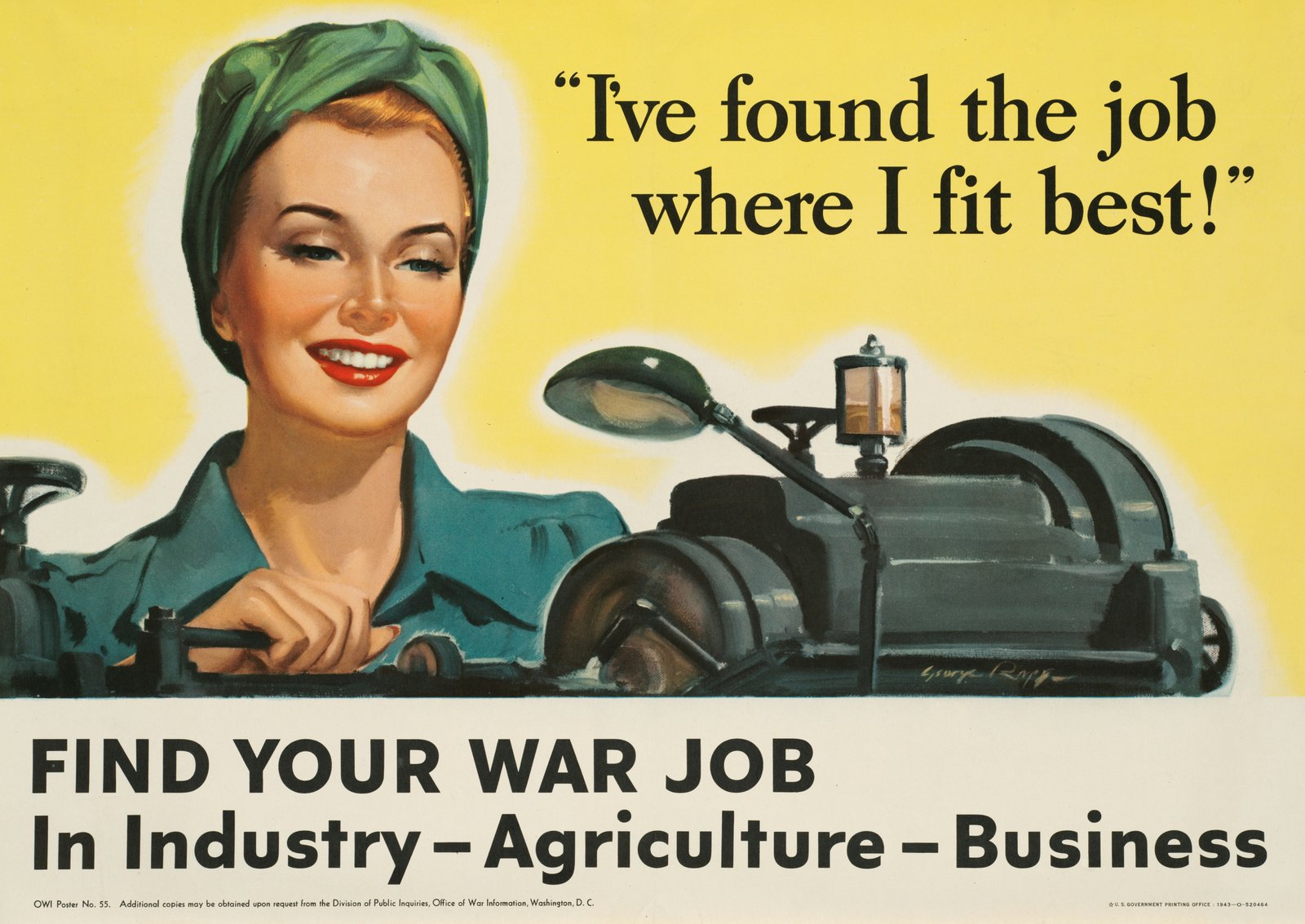
AI art and sustainable nostalgia offer an unusual way to examine the relationship between advertising, memory and consumer behaviour. By reconstructing the visual language of earlier decades, artists and marketers can revisit the messages that once shaped ideas about convenience, progress, ownership and consumption.
Nostalgia is a familiar device in advertising. Vintage typography, retro packaging, analogue textures and period-inspired imagery can evoke recognition and emotional attachment. Brands frequently use these associations to introduce products, revive established identities or make contemporary experiences feel familiar.
But nostalgia can also serve a different purpose.
Rather than encouraging audiences to purchase another product inspired by the past, AI-generated art can use historical advertising conventions to question the culture those conventions helped promote.
A fictional household advertisement from the 1960s might celebrate a disposable object that gradually fills the room with waste. A 1990s electronics catalogue could depict devices designed for repair rather than rapid replacement. A retro fashion campaign might challenge the endless recycling of trends through new collections.
These visual concepts can encourage audiences to reconsider familiar assumptions about consumption, durability and technological progress.
However, the environmental value of such work depends on what it communicates and how it is produced. AI generation requires computing resources, and a thought-provoking image does not automatically lead to more sustainable behaviour.
The creative opportunity lies in using nostalgia as a critical lens rather than treating it as another decorative marketing trend.
1. Understanding Why Nostalgia Remains Powerful in Advertising
Nostalgic imagery draws on familiar visual conventions that audiences associate with particular periods. The typography of an old supermarket advertisement, the saturated colours of a 1980s product catalogue or the visual imperfections of early digital media can evoke memories and cultural associations even when viewers did not personally experience the original era.
Advertising has long used these associations to establish familiarity and encourage positive feelings toward products. A retro design may suggest durability, authenticity or simplicity, although those qualities are not necessarily supported by the product itself. Historical aesthetics can create an impression of trust without providing evidence of better manufacturing practices or environmental performance.
This gap between appearance and reality creates an opportunity for critical storytelling. By reconstructing familiar advertising formats and changing their underlying message, creators can encourage viewers to examine how consumer expectations were formed. The objective is not to establish that earlier decades were uniformly wasteful or that contemporary products are inherently better. It is to question the assumptions that advertising has encouraged audiences to accept.
2. Using AI Art to Reinterpret the Visual History of Consumption
Generative AI can help artists experiment with period-inspired compositions, fictional product advertisements and alternative visual histories. It can produce imagery that resembles broad design conventions associated with earlier decades without requiring a complete physical set or period-specific production environment. However, the environmental implications of this approach depend on the production workflow and should not be assumed.
One creative method is to preserve the structure of a historical advertisement while changing its central proposition. A fictional mid-century appliance advertisement might promote replaceable components rather than the convenience of buying a newer model. A vintage clothing catalogue could emphasise alterations, maintenance and long-term ownership instead of seasonal replacement.
Another method uses visual contradiction. A cheerful retro advertisement may contain an unsettling detail that reveals the consequences of excessive consumption. The familiar composition attracts attention, while the unexpected element encourages closer examination. This approach works best when the visual contradiction communicates a specific idea rather than relying on environmental imagery as a general symbol of concern.
3. Challenging Planned Obsolescence and Disposable Culture
The history of consumer products provides substantial material for visual exploration. Advertising has frequently associated newness with progress, encouraging audiences to regard replacement as an ordinary part of ownership. Yet product lifespans depend on design, repairability, software support, maintenance and other practical considerations.
AI-generated nostalgic artwork can make these issues visible through fictional product scenarios. A 1980s computer advertisement might present a machine with easily replaceable components. A retro kitchen appliance campaign could show a product being repaired across several decades. These concepts create a contrast between rapid replacement and the possibility of longer product use.
The message should remain grounded in practical realities. Repair is not always environmentally preferable in every situation, and an older product may consume substantially more energy during use than a newer alternative. Responsible creative work acknowledges such trade-offs. Nostalgia becomes useful when it opens a conversation about product design and lifecycle decisions rather than presenting the past as an environmental ideal.
4. Designing Nostalgic Campaigns That Encourage Reflection
A successful critical nostalgia campaign begins with a clearly defined question. What consumer behaviour is being examined? Is the campaign concerned with disposable packaging, fast-changing fashion trends, electronics replacement or the cultural appeal of constant upgrades? A focused subject gives the visual concept greater meaning.
The second requirement is a deliberate relationship between the historical aesthetic and the contemporary issue. A fictional 1990s technology advertisement might be appropriate for discussing electronics repair, while a mid-century household product illustration could introduce the history of single-use convenience. The chosen period should contribute to the argument rather than function as an arbitrary stylistic treatment.
Finally, the campaign needs a useful next step. An image that critiques disposable products may generate discussion, but audiences should also have access to practical information. Repair resources, product care guidance, reuse options or credible research can help connect the creative concept to real decisions. The artwork attracts attention; the supporting information provides substance.
5. Evaluating the Ethics and Environmental Value of AI Nostalgia
AI-generated nostalgia introduces questions about copyright, cultural representation and historical accuracy. Recreating the distinctive work of a particular living artist or copying recognisable commercial characters may create legal or ethical concerns. A safer creative approach is to explore broad visual conventions while developing original compositions, fictional products and independent narratives.
Historical representation also requires care. Advertising from earlier decades may contain discriminatory stereotypes, misleading product claims or idealised portrayals of social conditions. Reproducing these conventions without critical context can reinforce the assumptions the campaign intends to challenge. Creators should examine who is represented, whose experiences are omitted and whether the work romanticises environmental or social harms.
Environmental claims about the production process should be equally cautious. AI-generated images do not require the same physical production arrangements as some conventional shoots, but they still involve computing infrastructure and electricity. Comparing production methods requires a defined scope and suitable evidence. The creative value of a campaign should be evaluated through its originality, accuracy and usefulness rather than unsupported claims that its images are inherently sustainable.
Five Creative Concepts for Sustainable Nostalgia Campaigns
The Appliance That Refused to Become Obsolete
Imagine a fictional 1970s appliance advertisement featuring a household machine with replaceable components.
Instead of promoting a newer model, the advertisement celebrates maintenance, spare parts and continued use.
The accompanying content could explore the practical factors that determine repairability and product longevity.
The Never-Ending Fashion Catalogue
A fictional 1990s fashion catalogue shows the same garment styled differently across successive seasons.
The visual narrative challenges the assumption that personal style requires continuous purchasing.
Supporting information could introduce garment care, alteration, second-hand shopping and responsible textile management.
The Disposable Convenience Museum
A series of fictional mid-century advertisements presents everyday disposable products as objects in a future museum.
The contrast between enthusiastic promotional language and long-lasting waste encourages viewers to question convenience-based consumption.
The campaign could connect to reliable information about material use and waste management.
The Computer Built for Another Decade
A retro electronics advertisement features a computer designed around accessible components and long-term maintenance.
The fictional product highlights questions about software support, spare parts and repair services.
The artwork should not imply that all historical computers were more durable or environmentally preferable.
The Shopping Channel That Sold Nothing
A fictional late-night television shopping programme enthusiastically promotes repairing, borrowing or maintaining objects already owned.
The familiar language of sales promotion is redirected toward activities that do not necessarily require a new purchase.
The contrast can create humour while encouraging audiences to reconsider the relationship between ownership and satisfaction.
These are original campaign concepts, not documented examples of existing brand initiatives.
Building a Critical Nostalgia Campaign
Identify the Consumer Behaviour
Choose a specific behaviour or product category.
Avoid beginning with a decade or visual style before establishing the issue the campaign will examine.
Research the Historical Context
Study advertising conventions, product characteristics and relevant social conditions associated with the chosen period.
Distinguish genuine historical information from popular assumptions about the past.
Develop an Original Visual Concept
Use period-inspired typography, composition and colour relationships without reproducing protected commercial artwork unnecessarily.
Create fictional products and original visual elements where appropriate.
Introduce a Meaningful Contradiction
Change the message normally associated with the advertising format.
For example, replace the promise of constant novelty with an argument for repair or continued use.
Review Historical and Cultural Accuracy
Examine whether the imagery reinforces stereotypes or misrepresents the period.
Avoid presenting fictional advertisements as authentic archival discoveries.
Provide Practical Context
Connect the artwork to research, educational resources or relevant services.
A visually engaging critique should offer more than an ironic slogan.
Measure Audience Understanding
Evaluate whether viewers recognise the intended message.
Comments and shares may indicate attention, but surveys or structured feedback can provide better evidence of comprehension.
Digital Formats for AI-Generated Nostalgia
Social Media Visual Series
A sequence of fictional advertisements can explore one consumer behaviour across different decades.
Each image should contribute a new perspective rather than repeat the same message in another style.
Short-Form Video
An original retro-inspired commercial can begin with familiar promotional conventions before revealing a critical environmental message.
Clear disclosure is important when synthetic imagery resembles historical footage.
Interactive Digital Exhibitions
A website can present fictional advertisements alongside verified information about product design, materials and consumption patterns.
Visitors can explore the relationship between historical marketing messages and contemporary environmental challenges.
Educational Resources
Period-inspired illustrations can introduce discussions about advertising literacy, consumer culture and product lifecycles.
Educators should distinguish artistic interpretation from historical evidence.
Brand Campaigns
Businesses can use critical nostalgia to communicate genuine repair, refill or reuse services.
The campaign should reflect services that customers can actually access rather than simply borrowing the appearance of environmental responsibility.
Common Mistakes to Avoid
Treating Retro Design as Sustainability
A vintage aesthetic does not make a product environmentally responsible.
Design language and environmental performance are separate considerations.
Romanticising the Past
Earlier decades included significant environmental and social problems.
Critical nostalgia should question historical assumptions rather than present an idealised past.
Recreating Recognisable Commercial Artwork
Copying logos, characters or distinctive advertising compositions can raise intellectual property concerns.
Original fictional concepts provide greater creative freedom.
Presenting Synthetic Media as Archival Material
AI-generated images should not be passed off as historical photographs or authentic advertisements.
Label fictional reconstructions when their nature might otherwise be misunderstood.
Assuming AI Production Has No Environmental Cost
Generative AI requires computing resources.
Claims about lower-impact production need appropriate evidence.
Confusing Engagement With Behaviour Change
An entertaining visual may attract attention without influencing purchasing or product-care decisions.
Evaluate the campaign according to its stated objectives.
Measuring Whether Critical Nostalgia Works
A useful evaluation begins with communication objectives rather than assumptions about environmental impact.
Message comprehension: Can viewers identify the consumer behaviour or environmental issue being questioned?
Historical understanding: Do audiences recognise that the artwork is fictional and understand its relationship to real advertising conventions?
Practical engagement: Do viewers access relevant repair information, product-care resources or other supporting material?
Audience response: What questions, criticisms or interpretations emerge from feedback?
Behavioural outcomes: Where appropriate, can the campaign identify completed actions rather than expressions of interest alone?
Environmental evidence: If environmental savings are claimed, are they supported by suitable methods and data?
These measures help distinguish creative attention from practical results.
Conclusion: Remembering the Past Without Repeating Its Habits
Nostalgia does not have to function as a sales device.
Used critically, it can reveal how advertising has shaped ideas about convenience, progress, ownership and replacement.
AI-generated art offers a way to construct fictional historical advertisements, explore alternative product narratives and create unexpected visual commentary on consumer culture.
Its value lies not in recreating familiar aesthetics for their own sake, but in using those aesthetics to question assumptions that remain influential today.
For artists and brands interested in sustainability, the most compelling nostalgic campaign may be one that asks audiences to reconsider what they already own rather than encouraging them to purchase something new.
offer an unusual way to examine the relationship between advertising, memory and consumer behaviour. By reconstructing the visual language of earlier decades, artists and marketers can revisit the messages that once shaped ideas about convenience, progress, ownership and consumption.
Nostalgia is a familiar device in advertising. Vintage typography, retro packaging, analogue textures and period-inspired imagery can evoke recognition and emotional attachment. Brands frequently use these associations to introduce products, revive established identities or make contemporary experiences feel familiar.
But nostalgia can also serve a different purpose.
Rather than encouraging audiences to purchase another product inspired by the past, AI-generated art can use historical advertising conventions to question the culture those conventions helped promote.
A fictional household advertisement from the 1960s might celebrate a disposable object that gradually fills the room with waste. A 1990s electronics catalogue could depict devices designed for repair rather than rapid replacement. A retro fashion campaign might challenge the endless recycling of trends through new collections.
These visual concepts can encourage audiences to reconsider familiar assumptions about consumption, durability and technological progress.
However, the environmental value of such work depends on what it communicates and how it is produced. AI generation requires computing resources, and a thought-provoking image does not automatically lead to more sustainable behaviour.
The creative opportunity lies in using nostalgia as a critical lens rather than treating it as another decorative marketing trend.
1. Understanding Why Nostalgia Remains Powerful in Advertising
Nostalgic imagery draws on familiar visual conventions that audiences associate with particular periods. The typography of an old supermarket advertisement, the saturated colours of a 1980s product catalogue or the visual imperfections of early digital media can evoke memories and cultural associations even when viewers did not personally experience the original era.
Advertising has long used these associations to establish familiarity and encourage positive feelings toward products. A retro design may suggest durability, authenticity or simplicity, although those qualities are not necessarily supported by the product itself. Historical aesthetics can create an impression of trust without providing evidence of better manufacturing practices or environmental performance.
This gap between appearance and reality creates an opportunity for critical storytelling. By reconstructing familiar advertising formats and changing their underlying message, creators can encourage viewers to examine how consumer expectations were formed. The objective is not to establish that earlier decades were uniformly wasteful or that contemporary products are inherently better. It is to question the assumptions that advertising has encouraged audiences to accept.
2. Using AI Art to Reinterpret the Visual History of Consumption
Generative AI can help artists experiment with period-inspired compositions, fictional product advertisements and alternative visual histories. It can produce imagery that resembles broad design conventions associated with earlier decades without requiring a complete physical set or period-specific production environment. However, the environmental implications of this approach depend on the production workflow and should not be assumed.
One creative method is to preserve the structure of a historical advertisement while changing its central proposition. A fictional mid-century appliance advertisement might promote replaceable components rather than the convenience of buying a newer model. A vintage clothing catalogue could emphasise alterations, maintenance and long-term ownership instead of seasonal replacement.
Another method uses visual contradiction. A cheerful retro advertisement may contain an unsettling detail that reveals the consequences of excessive consumption. The familiar composition attracts attention, while the unexpected element encourages closer examination. This approach works best when the visual contradiction communicates a specific idea rather than relying on environmental imagery as a general symbol of concern.
3. Challenging Planned Obsolescence and Disposable Culture
The history of consumer products provides substantial material for visual exploration. Advertising has frequently associated newness with progress, encouraging audiences to regard replacement as an ordinary part of ownership. Yet product lifespans depend on design, repairability, software support, maintenance and other practical considerations.
AI-generated nostalgic artwork can make these issues visible through fictional product scenarios. A 1980s computer advertisement might present a machine with easily replaceable components. A retro kitchen appliance campaign could show a product being repaired across several decades. These concepts create a contrast between rapid replacement and the possibility of longer product use.
The message should remain grounded in practical realities. Repair is not always environmentally preferable in every situation, and an older product may consume substantially more energy during use than a newer alternative. Responsible creative work acknowledges such trade-offs. Nostalgia becomes useful when it opens a conversation about product design and lifecycle decisions rather than presenting the past as an environmental ideal.
4. Designing Nostalgic Campaigns That Encourage Reflection
A successful critical nostalgia campaign begins with a clearly defined question. What consumer behaviour is being examined? Is the campaign concerned with disposable packaging, fast-changing fashion trends, electronics replacement or the cultural appeal of constant upgrades? A focused subject gives the visual concept greater meaning.
The second requirement is a deliberate relationship between the historical aesthetic and the contemporary issue. A fictional 1990s technology advertisement might be appropriate for discussing electronics repair, while a mid-century household product illustration could introduce the history of single-use convenience. The chosen period should contribute to the argument rather than function as an arbitrary stylistic treatment.
Finally, the campaign needs a useful next step. An image that critiques disposable products may generate discussion, but audiences should also have access to practical information. Repair resources, product care guidance, reuse options or credible research can help connect the creative concept to real decisions. The artwork attracts attention; the supporting information provides substance.
5. Evaluating the Ethics and Environmental Value of AI Nostalgia
AI-generated nostalgia introduces questions about copyright, cultural representation and historical accuracy. Recreating the distinctive work of a particular living artist or copying recognisable commercial characters may create legal or ethical concerns. A safer creative approach is to explore broad visual conventions while developing original compositions, fictional products and independent narratives.
Historical representation also requires care. Advertising from earlier decades may contain discriminatory stereotypes, misleading product claims or idealised portrayals of social conditions. Reproducing these conventions without critical context can reinforce the assumptions the campaign intends to challenge. Creators should examine who is represented, whose experiences are omitted and whether the work romanticises environmental or social harms.
Environmental claims about the production process should be equally cautious. AI-generated images do not require the same physical production arrangements as some conventional shoots, but they still involve computing infrastructure and electricity. Comparing production methods requires a defined scope and suitable evidence. The creative value of a campaign should be evaluated through its originality, accuracy and usefulness rather than unsupported claims that its images are inherently sustainable.
Five Creative Concepts for Sustainable Nostalgia Campaigns
The Appliance That Refused to Become Obsolete
Imagine a fictional 1970s appliance advertisement featuring a household machine with replaceable components.
Instead of promoting a newer model, the advertisement celebrates maintenance, spare parts and continued use.
The accompanying content could explore the practical factors that determine repairability and product longevity.
The Never-Ending Fashion Catalogue
A fictional 1990s fashion catalogue shows the same garment styled differently across successive seasons.
The visual narrative challenges the assumption that personal style requires continuous purchasing.
Supporting information could introduce garment care, alteration, second-hand shopping and responsible textile management.
The Disposable Convenience Museum
A series of fictional mid-century advertisements presents everyday disposable products as objects in a future museum.
The contrast between enthusiastic promotional language and long-lasting waste encourages viewers to question convenience-based consumption.
The campaign could connect to reliable information about material use and waste management.
The Computer Built for Another Decade
A retro electronics advertisement features a computer designed around accessible components and long-term maintenance.
The fictional product highlights questions about software support, spare parts and repair services.
The artwork should not imply that all historical computers were more durable or environmentally preferable.
The Shopping Channel That Sold Nothing
A fictional late-night television shopping programme enthusiastically promotes repairing, borrowing or maintaining objects already owned.
The familiar language of sales promotion is redirected toward activities that do not necessarily require a new purchase.
The contrast can create humour while encouraging audiences to reconsider the relationship between ownership and satisfaction.
These are original campaign concepts, not documented examples of existing brand initiatives.
Building a Critical Nostalgia Campaign
Identify the Consumer Behaviour
Choose a specific behaviour or product category.
Avoid beginning with a decade or visual style before establishing the issue the campaign will examine.
Research the Historical Context
Study advertising conventions, product characteristics and relevant social conditions associated with the chosen period.
Distinguish genuine historical information from popular assumptions about the past.
Develop an Original Visual Concept
Use period-inspired typography, composition and colour relationships without reproducing protected commercial artwork unnecessarily.
Create fictional products and original visual elements where appropriate.
Introduce a Meaningful Contradiction
Change the message normally associated with the advertising format.
For example, replace the promise of constant novelty with an argument for repair or continued use.
Review Historical and Cultural Accuracy
Examine whether the imagery reinforces stereotypes or misrepresents the period.
Avoid presenting fictional advertisements as authentic archival discoveries.
Provide Practical Context
Connect the artwork to research, educational resources or relevant services.
A visually engaging critique should offer more than an ironic slogan.
Measure Audience Understanding
Evaluate whether viewers recognise the intended message.
Comments and shares may indicate attention, but surveys or structured feedback can provide better evidence of comprehension.
Digital Formats for AI-Generated Nostalgia
Social Media Visual Series
A sequence of fictional advertisements can explore one consumer behaviour across different decades.
Each image should contribute a new perspective rather than repeat the same message in another style.
Short-Form Video
An original retro-inspired commercial can begin with familiar promotional conventions before revealing a critical environmental message.
Clear disclosure is important when synthetic imagery resembles historical footage.
Interactive Digital Exhibitions
A website can present fictional advertisements alongside verified information about product design, materials and consumption patterns.
Visitors can explore the relationship between historical marketing messages and contemporary environmental challenges.
Educational Resources
Period-inspired illustrations can introduce discussions about advertising literacy, consumer culture and product lifecycles.
Educators should distinguish artistic interpretation from historical evidence.
Brand Campaigns
Businesses can use critical nostalgia to communicate genuine repair, refill or reuse services.
The campaign should reflect services that customers can actually access rather than simply borrowing the appearance of environmental responsibility.
Common Mistakes to Avoid
Treating Retro Design as Sustainability
A vintage aesthetic does not make a product environmentally responsible.
Design language and environmental performance are separate considerations.
Romanticising the Past
Earlier decades included significant environmental and social problems.
Critical nostalgia should question historical assumptions rather than present an idealised past.
Recreating Recognisable Commercial Artwork
Copying logos, characters or distinctive advertising compositions can raise intellectual property concerns.
Original fictional concepts provide greater creative freedom.
Presenting Synthetic Media as Archival Material
AI-generated images should not be passed off as historical photographs or authentic advertisements.
Label fictional reconstructions when their nature might otherwise be misunderstood.
Assuming AI Production Has No Environmental Cost
Generative AI requires computing resources.
Claims about lower-impact production need appropriate evidence.
Confusing Engagement With Behaviour Change
An entertaining visual may attract attention without influencing purchasing or product-care decisions.
Evaluate the campaign according to its stated objectives.
Measuring Whether Critical Nostalgia Works
A useful evaluation begins with communication objectives rather than assumptions about environmental impact.
Message comprehension: Can viewers identify the consumer behaviour or environmental issue being questioned?
Historical understanding: Do audiences recognise that the artwork is fictional and understand its relationship to real advertising conventions?
Practical engagement: Do viewers access relevant repair information, product-care resources or other supporting material?
Audience response: What questions, criticisms or interpretations emerge from feedback?
Behavioural outcomes: Where appropriate, can the campaign identify completed actions rather than expressions of interest alone?
Environmental evidence: If environmental savings are claimed, are they supported by suitable methods and data?
These measures help distinguish creative attention from practical results.
Conclusion: Remembering the Past Without Repeating Its Habits
Nostalgia does not have to function as a sales device.
Used critically, it can reveal how advertising has shaped ideas about convenience, progress, ownership and replacement.
AI-generated art offers a way to construct fictional historical advertisements, explore alternative product narratives and create unexpected visual commentary on consumer culture.
Its value lies not in recreating familiar aesthetics for their own sake, but in using those aesthetics to question assumptions that remain influential today.
For artists and brands interested in sustainability, the most compelling nostalgic campaign may be one that asks audiences to reconsider what they already own rather than encouraging them to purchase something new.