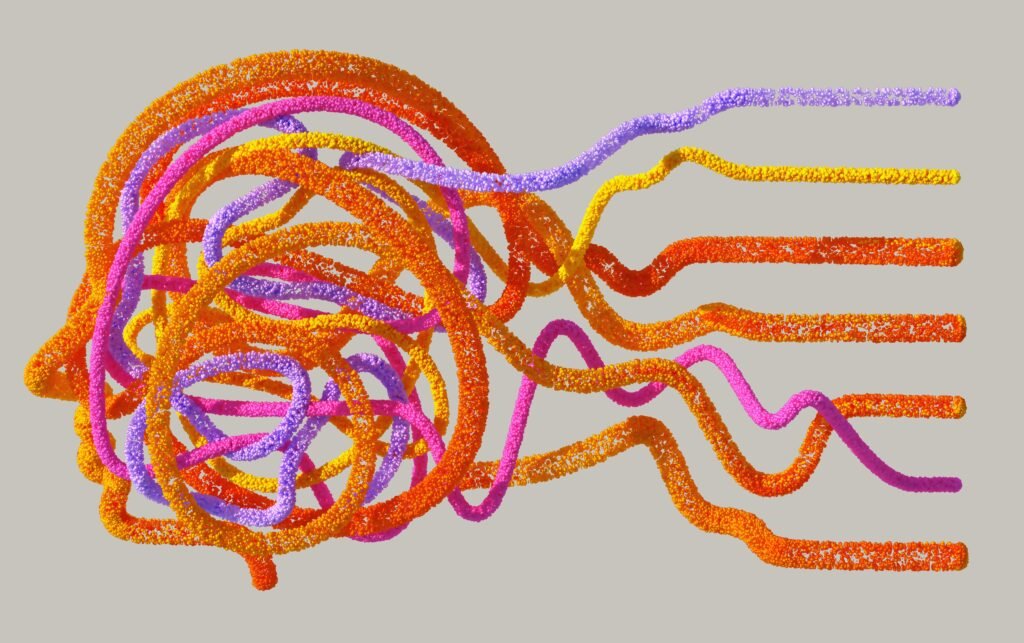
Artificial intelligence has introduced a new way of making images. A written description can become an elaborate landscape, an impossible architectural structure or a visual concept that would be difficult to construct using conventional methods.
The speed is remarkable. The creative implications are more interesting.
AI art is not simply about generating pictures. It is about exploring what happens when human imagination interacts with a system capable of producing unexpected visual possibilities.
That interaction raises questions about originality, artistic identity, authorship and the future of creative work.
It also creates opportunities for people who have ideas but may not possess the technical skills traditionally associated with image-making.
Yet accessibility alone does not make every generated image meaningful.
The distinction lies in how the technology is used, what choices shape the result and what the finished work communicates.
1. What Exactly Is AI Art?
AI art refers broadly to creative work produced with the assistance of artificial intelligence.
In generative image-making, a model learns relationships between visual features and other information during training. It can then produce images in response to instructions, reference material or other inputs.
The results may resemble photography, painting, illustration, sculpture or entirely imaginary visual forms.
Some artists use AI to generate complete compositions. Others incorporate generated elements into photographs, digital paintings, animation or mixed-media work.
There is no single method that defines AI art.
The technology can function as a sketching assistant, an experimental medium or one component of a more elaborate artistic process.
What matters is understanding the role it plays in the work.
2. The Creative Process Begins Before the Prompt
A common misconception is that AI art begins with typing a description into an image generator.
For a considered creative project, the process often begins much earlier.
An artist may start with a question, an observation, a memory or an idea that is difficult to express through familiar imagery.
For example, how might a city look if its buildings reflected the natural systems beneath them? What would an everyday object become if its physical purpose were reversed? How could an abstract composition communicate the relationship between technology and the environment?
These questions provide direction.
The AI model offers possible visual responses, but the artist decides which possibilities are worth pursuing.
A successful image may require multiple generations, deliberate changes in composition, careful editing or the removal of elements that distract from the original idea.
The prompt is part of the process.
It is not necessarily the entire creative act.
3. Originality Is More Than an Unusual Image
Generative AI can produce striking combinations of familiar and unfamiliar forms.
A staircase may appear to fold into a cloud. A flower may resemble a mechanical instrument. An ordinary household object may become an impossible architectural structure.
Such images can be visually surprising.
But surprise and originality are not identical.
An image becomes more compelling when its visual choices contribute to an idea rather than merely demonstrate what the technology can produce.
Consider a series of objects that gradually transform into natural landscapes.
The work could explore how manufactured products depend on materials extracted from the environment.
The artistic value would not lie solely in the unusual transformations.
It would also emerge from the relationships between the objects, the visual decisions and the questions the series invites viewers to consider.
AI can assist with developing those images.
The creative proposition gives them direction.
4. Human Judgement Still Shapes the Work
Generative systems can produce many visual possibilities, but abundance creates its own challenge.
Which image communicates the intended idea?
Which composition feels predictable?
Does an unexpected element strengthen the work or distract from it?
Is the image visually coherent when examined closely?
These decisions require evaluation.
Human involvement can include selecting, rejecting, modifying, combining and presenting generated material.
It can also involve recognising when the model has produced something unexpected that deserves further exploration.
Not every creative decision needs to be planned in advance.
Accidents and surprises have long played a role in artistic practice.
AI introduces another way for unexpected outcomes to influence the direction of a work.
The important skill is knowing what to do with them.
5. Responsible Creativity Matters
The possibilities of AI art are accompanied by questions that cannot be ignored.
Generative models are developed using training data, and the sourcing and permitted use of that material have become subjects of legal and ethical debate.
Artists need to consider copyright, attribution, privacy, cultural representation and the terms governing the tools they use.
AI-generated images can also create misleading impressions, particularly when synthetic scenes resemble documentary photography.
A fictional wildlife image, for example, should not be presented as evidence of a real conservation event.
There are environmental considerations as well.
Image generation uses computing infrastructure, electricity and equipment. The resources required depend on the model, hardware, production workflow and number of generations.
These considerations do not mean artists should avoid AI.
They mean creative freedom should be accompanied by informed choices.
Responsible experimentation involves understanding both the possibilities and the limitations of the technology.
Beyond the Image: What AI Art Makes Possible
One of the most interesting aspects of AI art is its ability to support visual experimentation across different disciplines.
1. Visual storytelling: Artists can develop imaginary environments, symbolic objects and unusual narratives that challenge familiar ways of seeing.
2. Concept exploration: Designers can investigate alternative compositions, materials and visual directions before committing to production.
3. Education: Creative imagery can help communicate complex subjects, provided the information and representations are accurate.
4. Sustainability communication: Abstract and conceptual visuals can encourage audiences to reconsider relationships between technology, consumption and the natural world.
5. Artistic experimentation: Creators can combine AI-generated material with photography, drawing, sculpture, animation and other techniques to explore new forms of expression.
These applications are not automatically valuable simply because AI is involved.
Their value depends on the ideas being developed and the quality of the finished work.
A More Thoughtful Approach to AI Art
For anyone beginning to explore AI-assisted creativity, a few principles can help establish a meaningful practice.
1. Begin with an idea, not a tool. Decide what you want to investigate or communicate.
2. Develop a visual direction. Consider composition, colour, form and the relationship between elements.
3. Experiment deliberately. Explore alternatives without assuming that generating more images always produces better work.
4. Examine the details. Look beyond immediate visual appeal to identify inconsistencies, clichés and unintended meanings.
5. Make the work your own. Use editing, selection, original references and creative decisions to develop a distinctive result.
6. Consider the context. Think about how the image will be presented and interpreted.
7. Understand the responsibilities. Review relevant rights, permissions, representations and resource implications.
The objective is not to follow a rigid formula.
It is to approach AI as a creative medium that benefits from curiosity, discipline and critical thinking.
The Future of AI Art Is Not Just About Better Models
AI image-generation systems will continue to develop.
They may offer greater control over composition, improved consistency and more ways to integrate generated material into established creative workflows.
But technical capability is only one part of the future of AI art.
The more interesting questions concern what artists choose to make, how audiences interpret the results and which creative practices emerge from these tools.
Traditional artistic skills will remain valuable. So will conceptual thinking, visual literacy, experimentation and the ability to communicate a distinctive perspective.
AI does not need to replace these capabilities to become an important part of creative practice.
It can operate alongside them.
Conclusion: The Imagination Still Matters
AI has made image creation accessible in ways that were difficult to imagine only a few years ago.
It can help people explore unusual ideas, develop visual concepts and experiment with forms that challenge familiar expectations.
But generating an image is not the same as developing a meaningful artistic expression.
The technology provides possibilities.
Creative judgement determines how those possibilities are explored, refined and presented.
The future of AI art will be shaped not only by what machines can generate, but by what people choose to imagine, question and create with them.