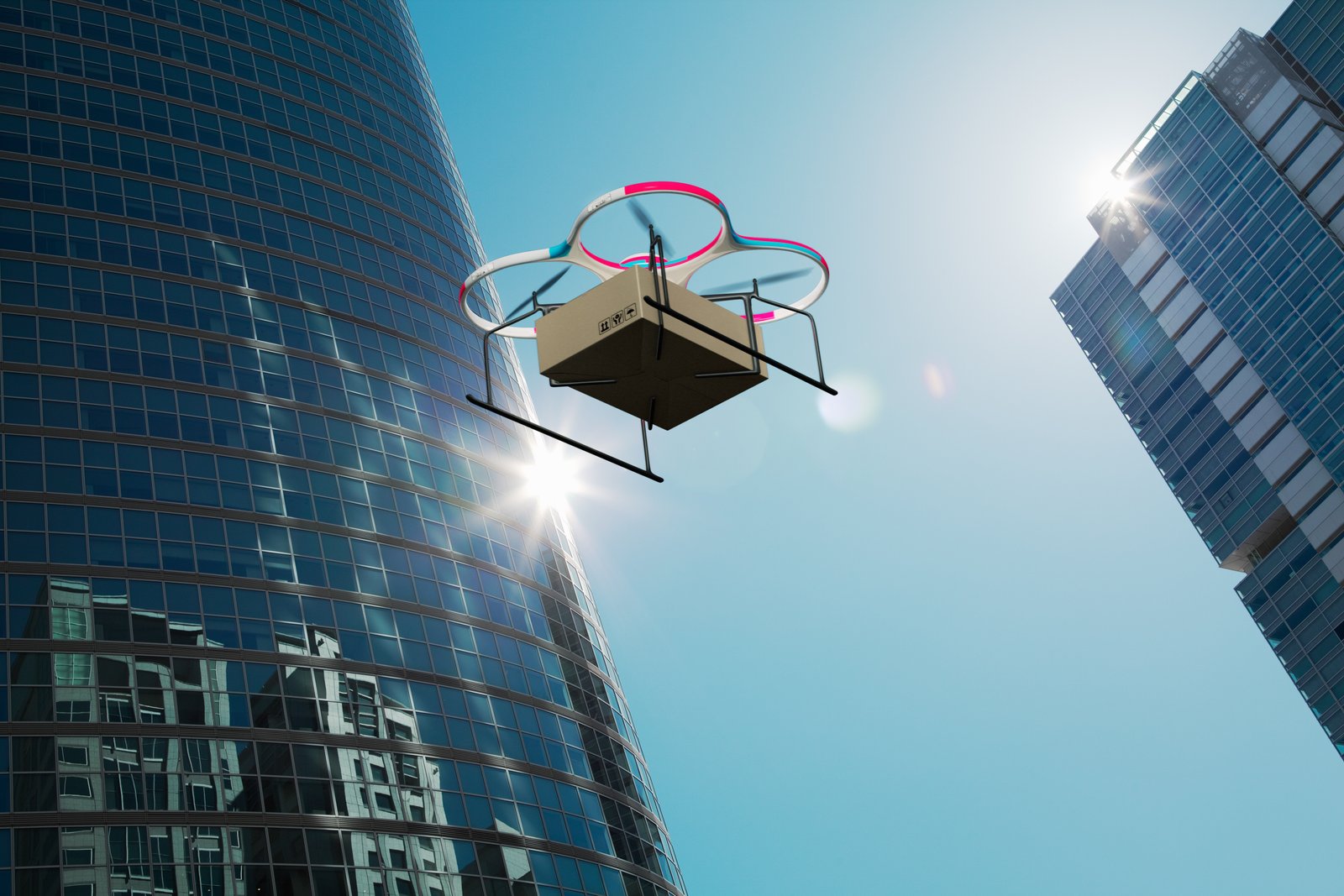
Sustainable last-mile fulfilment using drones presents new opportunities for businesses to improve delivery services while exploring alternative transport models. Drone technology can support selected delivery operations, particularly where speed, accessibility or difficult terrain make conventional transport less practical.
However, introducing drones does not automatically create a better customer experience or reduce environmental impact. Customers still expect accurate delivery estimates, secure handling, convenient collection options and reliable support when something goes wrong. Businesses must also consider operational costs, aviation regulations, weather restrictions and infrastructure requirements.
For retailers and logistics providers, the challenge is to integrate drone delivery into a fulfilment system that is convenient, dependable and environmentally responsible. These seven tactics can help organisations improve customer experience while making more informed decisions about sustainable last-mile operations.
1. Offer Sustainable Omnichannel Fulfilment Options
Customers have different delivery preferences depending on the product, location and urgency of their purchase. An effective omnichannel fulfilment strategy gives them appropriate choices rather than relying on a single delivery method.
Options may include home delivery, click-and-collect, parcel lockers, scheduled delivery and drone services where available. Businesses can integrate these choices across websites, mobile applications and physical stores, allowing customers to select arrangements that suit their circumstances.
Sustainability information should be based on actual delivery conditions. Consolidated ground transport or collection during an existing journey may sometimes have a lower environmental impact than an individual drone flight. Presenting realistic choices helps customers balance convenience, cost and environmental considerations.
2. Develop Convenient Drone Collection and Delivery Points
Dedicated drone collection points could provide an alternative to individual doorstep deliveries in suitable locations. These facilities may include secure parcel lockers, designated landing areas or collection stations connected to existing retail and logistics infrastructure.
Shopping centres, commercial campuses and residential developments could potentially accommodate such facilities where space, safety requirements and regulations permit. Convenient locations may allow customers to collect parcels on foot or by bicycle, reducing the need for additional vehicle journeys.
However, collection infrastructure must be evaluated carefully. Security, accessibility, noise, operating hours and customer travel distances all influence its effectiveness. Renewable electricity and efficient equipment may improve environmental performance, but the overall benefits depend on how the collection system operates.
3. Reduce Unnecessary Packaging
Excessive packaging creates additional material consumption, waste and handling requirements. For drone delivery, packaging also affects payload weight, aircraft performance and the amount of energy required to complete a flight.
Businesses should assess whether their existing packaging provides appropriate protection without unnecessary layers, oversized containers or excessive void-fill material. Lightweight packaging can be useful, provided it maintains product safety and withstands the conditions associated with transport and delivery.
Packaging optimisation should consider the entire fulfilment process rather than weight alone. Materials that are difficult to recover or that increase product damage may create additional environmental costs. Test packaging designs for durability, suitability and realistic disposal or recovery options.
4. Use Digital Tools for Scheduling and Delivery Planning
Digital scheduling systems can help customers choose suitable delivery windows while allowing businesses to coordinate orders, aircraft availability and operational capacity. This becomes particularly important when drone services operate alongside conventional transport.
For example, an online platform could display eligible delivery options based on parcel weight, destination, weather conditions and service availability. Customers could then select a practical delivery window without being promised a service that cannot be completed reliably.
Better scheduling can reduce failed delivery attempts and unnecessary operational activity. However, digital systems also consume energy and require ongoing maintenance. Businesses should prioritise efficient software, appropriate data management and measurable operational improvements rather than assuming that every digital solution is environmentally beneficial.
5. Provide Transparent Tracking and Real-Time Notifications
Customers value knowing when an order will arrive and whether its delivery status has changed. Clear tracking information can reduce uncertainty, particularly when customers are unfamiliar with drone delivery procedures.
A well-designed system should communicate meaningful milestones, such as order preparation, dispatch, expected arrival, successful delivery or a change in delivery arrangements. Where operationally appropriate, customers may also receive updated arrival estimates and instructions for secure parcel collection.
Not every flight detail needs to be visible to the customer. Excessive notifications, inaccurate estimates or unnecessary location tracking can create frustration and privacy concerns. Focus on reliable information that helps customers make decisions, while protecting sensitive operational and personal data.
6. Simplify Electronic Documentation and Returns
Electronic proof of delivery can help businesses document when and where a parcel was delivered. Depending on the service model, confirmation may involve a digital delivery record, secure collection code, timestamp or other appropriate verification method.
For drone operations, documentation must reflect how the parcel reaches the customer. A delivery to a designated landing area or secure locker may require different confirmation procedures from a conventional doorstep handover.
Returns should also be straightforward. Customers need clear instructions, accessible support and suitable collection or drop-off arrangements. Digital documentation can reduce administrative work, but it should not make returns more complicated or exclude customers who have limited access to digital services.
7. Prepare for Disruptions and Service Recovery
Drone delivery operations can be affected by weather, equipment faults, airspace restrictions, communication failures and other unexpected events. These risks make contingency planning essential for maintaining customer confidence.
Businesses should establish procedures for delayed flights, cancelled deliveries, unsuccessful handovers and parcels that cannot be delivered safely. Where appropriate, orders may need to be transferred to another delivery method or rescheduled with the customer’s agreement.
Effective service recovery requires timely communication and clear accountability. Customers should know what has happened, what alternatives are available and when they can expect a resolution. Staff must be equipped to handle complaints, arrange refunds or replacements where appropriate, and resolve problems without unnecessary delays.
Is Drone Delivery Really More Sustainable?
Electric drones produce no direct exhaust emissions during flight, but this does not establish that they have a lower environmental footprint than other delivery methods. Electricity generation, aircraft manufacturing, battery production and infrastructure all contribute to lifecycle impacts.
The comparison also depends on the delivery model. A lightweight parcel transported directly over a suitable route may present different environmental outcomes from a drone carrying a heavier load or making repeated individual journeys. Efficient delivery vans, cargo bicycles and consolidated collection systems may outperform drones in some circumstances.
Businesses should evaluate energy use, emissions, payload capacity, delivery density and failed-delivery rates using comparable assumptions. Environmental claims should be based on the specific service being offered rather than general statements about drone technology.
Building Customer Trust in Drone Fulfilment
Customer acceptance depends on more than delivery speed. Safety, reliability, privacy, noise and the practical experience of receiving a parcel can influence how people respond to drone services.
Businesses should explain how deliveries work, where parcels will be placed and what customers should do if a problem occurs. Clear information about service limitations is particularly important when flights depend on weather or regulatory conditions.
Pilot programmes can provide useful feedback before large-scale implementation. Organisations can evaluate delivery success rates, customer satisfaction, complaints, operating costs and environmental performance to determine whether the service offers meaningful advantages.
Measuring the Success of Sustainable Last-Mile Fulfilment
A successful fulfilment strategy should measure both customer experience and operational performance. Useful indicators include on-time delivery rates, successful first-attempt deliveries, customer complaints, delivery costs and average resolution times.
Environmental indicators may include energy consumption per delivery, packaging use, estimated greenhouse gas emissions and the number of additional customer journeys associated with collection points. Comparisons should account for different parcel sizes, delivery distances and service conditions.
Reviewing these measures together helps businesses identify trade-offs. A faster delivery option may be more expensive or energy-intensive, while a consolidated service may offer environmental advantages but require greater scheduling flexibility. Good decisions depend on understanding these differences.
Conclusion
Drone delivery has the potential to expand last-mile fulfilment options and improve access to selected goods and services. Its value will depend on how effectively it is integrated with existing logistics operations and customer expectations.
Convenient collection points, appropriate packaging, accurate scheduling, transparent communication and reliable service recovery can all contribute to a better customer experience. Environmental performance must be assessed separately using credible operational data.
For businesses exploring drone fulfilment, the objective should not be automation for its own sake. The strongest solutions will be those that provide a demonstrable benefit to customers while meeting safety, regulatory, economic and environmental requirements.